
Long before Sanford became known for its historic downtown, charming streets, and scenic waterfront, this Central Florida city was famous for something far less glamorous: celery.
Today, Sanford is a destination for dining, shopping, and exploring the shores of Lake Monroe. But travel back more than a century, and you’d discover a very different landscape.
Instead of the bustling community visitors know today, the surrounding countryside was filled with agricultural fields, workers harvesting crops, and wagons transporting fresh produce.
And one vegetable, in particular, helped put Sanford on the map.
A City Built on Celery
During the late 1800s and early 1900s, agriculture played an important role in Sanford’s development. The area’s growing conditions helped support a thriving celery industry, turning what might seem like an ordinary vegetable into a defining part of the local economy.
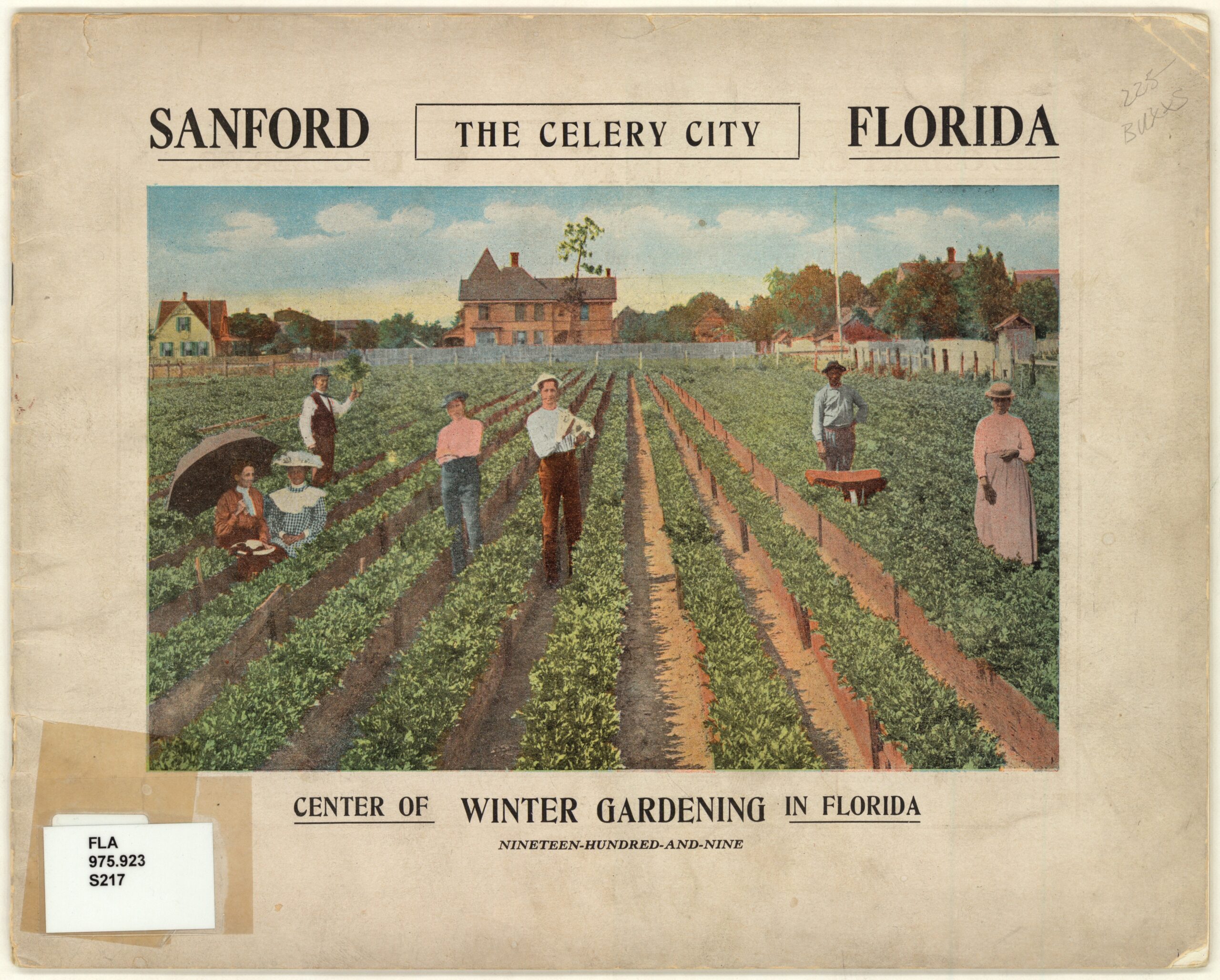
Sanford became so closely associated with the crop that it earned the nickname “The Celery City.”
A publication released in 1909 even promoted Sanford as the “Center of Winter Gardening in Florida,” reflecting the importance of agriculture to the community’s identity.
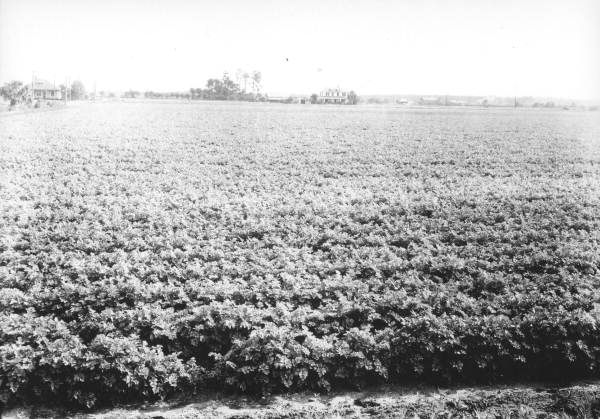
Historic photographs reveal just how extensive Sanford’s agricultural landscape once was. Fields stretched across the countryside, and harvesting, packing, and shipping produce were part of the area’s everyday economy.
One remarkable photograph from April 1930 carried an archival note claiming that the Sanford area grew one-third of the nation’s celery. While that historical claim should not be treated as a verified national statistic, it demonstrates just how strongly the region was associated with celery production.
Twelve Stalks, Sixty Pounds!
Among the most unusual photographs preserved from Sanford’s agricultural past is an image of two local celery growers, John and Tom Bell.
Taken around 1920, the photograph shows the men standing beside an extraordinary display of celery.
According to the historical photograph’s description, just 12 stalks reportedly weighed an astonishing 60 pounds!
That’s an average of five pounds per stalk.
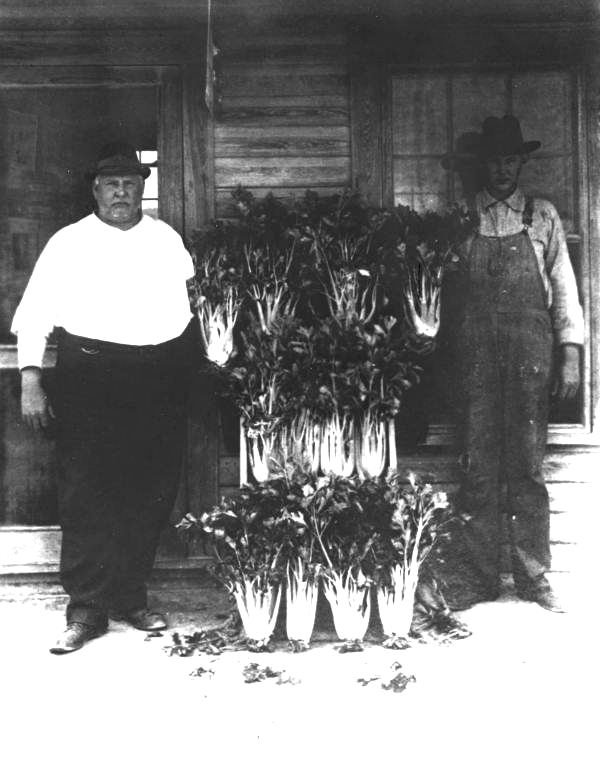
The photograph offers a fascinating glimpse into an era when agricultural achievements were a source of local pride.
Today, celery might seem like an unlikely symbol of a city’s success. But in early Sanford, a particularly impressive harvest was something worth documenting.
The People Behind the Harvest
Of course, Sanford’s celery industry wasn’t simply a story about successful crops and impressive yields.
It was also a story about the people who planted, tended, harvested, packed, and transported them.
Working in agriculture required long hours and physical labor. Before modern harvesting equipment became widespread, much of the work was performed by hand.
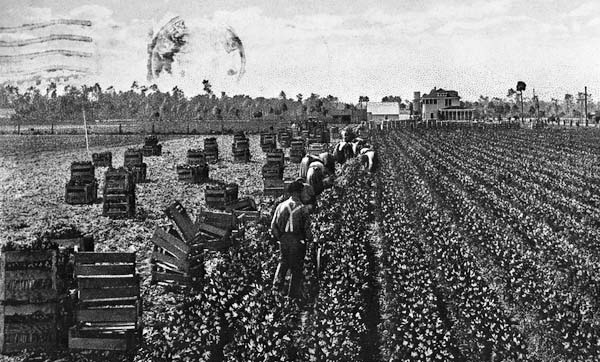
These old photographs preserve a side of Central Florida history that can easily be overlooked.
Behind every successful harvest were workers whose daily efforts helped support the farms, businesses, and families connected to the agricultural economy.
Their stories are just as important as the remarkable crops that made Sanford famous.
From Celery Fields to Historic Streets
Over the decades, Sanford continued to evolve. Its economy and identity expanded beyond agriculture, while the city’s historic buildings, waterfront, and downtown businesses became increasingly familiar landmarks.
The once-prominent celery fields gradually faded from everyday life, and new generations came to know Sanford for entirely different reasons.
But the city’s agricultural past hasn’t disappeared completely.
It survives in historic photographs, archival publications, local collections, and even place names such as Celery Avenue, a reminder of the crop that once helped define the surrounding region.
Remembering a Different Sanford
It’s difficult to imagine standing in modern Sanford and looking out across acres of celery fields.
Yet just over a century ago, those fields were part of the landscape of everyday life.
The next time you explore Sanford’s historic streets or enjoy the waterfront, remember that beneath the city’s modern identity lies another story.
A story of hardworking farmers, remarkable harvests, and an agricultural industry that helped shape Central Florida.
Sometimes the most fascinating history is hiding in the most ordinary things.
Remember Central Florida — preserving the stories, places, and memories that shaped our region.


 ClementineYour Central Florida food-finding buddy